Performance Marketing Trends 2026

Performance marketing is changing fast, and 2026 is bringing many new trends that businesses and marketers should understand. Performance marketing is becoming one of the most powerful digital advertising strategies in 2026.Today, performance marketing is one of the most effective ways to grow online because it focuses on real results like clicks, leads, and sales. Unlike traditional advertising, where businesses spend money without knowing the exact outcome, performance marketing allows you to track every action and improve campaigns based on data.
As digital platforms become smarter and customer behavior changes, marketers need to adapt quickly. New technologies like artificial intelligence, automation, privacy-focused tracking, and advanced audience targeting are shaping the future of performance marketing. Whether you are a beginner learning digital marketing or a business owner looking to scale, understanding these latest trends can help you stay ahead of competitors.
In this guide, we will explore the most important performance marketing trends in 2026 in simple and easy language.
What is Performance Marketing?
Performance marketing is a digital marketing strategy where businesses only pay when a specific action happens, such as clicks, leads, sales, or conversions. Unlike traditional advertising, focuses on measurable results and better return on investment. Today, performance marketing helps brands track campaigns in real time, optimize audience targeting, and improve overall business growth through strategies like Meta Ads and data-driven advertising.
Benefits of Performance Marketing
Performance marketing allows businesses to control budgets, measure campaign success, and generate better leads with data-driven strategies.
How digital ad performance Works
In performance marketing, advertisers use platforms like Google Ads, Meta Ads, and affiliate networks to run campaigns focused on conversions and measurable actions.
Why Performance Marketing is Growing in 2026
Performance marketing is growing rapidly in 2026 because businesses want better ROI, smarter targeting, and real-time campaign tracking. AI-powered tools, automation, and advanced analytics are making performance marketing more effective and affordable for companies of all sizes.
Rising Use of AI in Performance -based advertising
Artificial intelligence is helping marketers automate ads, improve targeting, and increase campaign performance with less manual work.
Demand for Measurable Results
Businesses preferpaid marketing strategies because it focuses on real data like clicks, leads, sales, and customer engagement.
Main Reasons:
Better ROI
Businesses can track return on every rupee spent.
Data-Driven Decisions
Campaign decisions are based on real numbers, not guesswork.
Faster Growth
Businesses can scale quickly when campaigns perform well.
More Automation
Platforms now help optimize ads automatically.
Better Audience Targeting
Marketers can show ads to the right people at the right time.
Top Performance Marketing Trends 2026
Performance marketing trends in 2026 are focused on AI automation, privacy-first advertising, first-party data, and short-form video content. Businesses are adapting to smarter marketing technologies to improve customer targeting and campaign performance.

1. AI-Powered Performance Marketing
Artificial Intelligence is becoming one of the biggest changes in performance marketing.
AI can now help marketers:
- Create ad copy
- Generate creative images
- Suggest audience targeting
- Predict campaign performance
- Improve bidding strategies
Platforms like Google Ads and Meta Ads are using AI to automate campaign optimization.
Why This Matters
AI saves time and improves campaign results.
2. Automation Will Dominate Campaign Management
Manual ad management is slowly decreasing.
Automated tools now handle:
- Budget allocation
- Audience optimization
- Ad placement selection
- Bid management
Popular tools include:
- Google Performance Max
- Meta Advantage+
- Smart bidding strategies
Why This Matters
Automation reduces errors and improves efficiency.
3. First-Party Data Becomes More Important
Privacy updates are limiting third-party tracking.
Businesses must now focus on collecting their own customer data, such as:
- Email addresses
- Phone numbers
- Website behavior
- Purchase history
This is called first-party data.
Why This Matters
First-party data improves targeting and builds trust.
4. Privacy-Focused Performance Marketing
Consumers care more about privacy than ever before.
New privacy rules are changing how marketers collect and use data.
Examples include:
- Cookie restrictions
- App tracking limitations
- Consent-based tracking
Why This Matters
Brands that respect privacy will gain more customer trust.
5. Short Video Ads Will Continue to Grow
Video content is dominating online platforms.
Popular short-video platforms include:
- Instagram Reels
- YouTube Shorts
- Facebook Video Ads
- TikTok
Video ads often perform better because they grab attention quickly.
Why This Matters
Customers prefer visual content over long text.
6. Creative Testing is Becoming Essential
In performance marketing, ad creative plays a huge role.
Marketers now test:
- Headlines
- Images
- Videos
- Call-to-action buttons
- Ad formats
Even small changes can improve conversions significantly.
Why This Matters
Better creatives reduce ad costs and improve results.
7. Omnichannel Performance Marketing
Customers no longer buy after seeing only one ad.
A typical customer journey may look like this:
- Search on Google
- Visit website
- Watch Instagram Reel
- Click retargeting ad
- Purchase product
Businesses now advertise across multiple platforms.
Common Channels
- Google Ads
- Meta Ads
- YouTube Ads
- LinkedIn Ads
- Email Marketing
Why This Matters
A connected strategy increases conversions.
8. Influencer Performance Marketing
Influencer marketing is shifting toward measurable performance.
Brands now track:
- Affiliate link clicks
- Sales through promo codes
- Leads generated
This combines trust with measurable ROI.
Why This Matters
Businesses can track influencer success clearly.
9. Voice Search and AI Search Optimization
People are increasingly using voice assistants and AI tools.
Examples include:
- Google Assistant
- Siri
- AI-powered search tools
Search behavior is becoming more conversational.
Why This Matters
Marketers need to optimize content differently.
10. Performance Marketing for Small Businesses
Earlier, digital ads were mostly used by big brands.
Now small businesses can compete with:
- Low-budget ads
- Smart audience targeting
- Retargeting campaigns
- Local advertising
Why This Matters
Even small businesses can scale fast.
Best Channels for Performance Marketing in 2026
Businesses are using multiple digital platforms to improvepaid marketing strategies campaigns in 2026. Choosing the right marketing channel helps increase conversions, audience reach, and ROI.
Google Ads
Google Ads remains one of the best platforms for paid marketing because it targets users with high buying intent.
Best for:
- Search traffic
- High-intent customers
- Lead generation

Meta Ads (Facebook & Instagram)
Meta Ads help businesses reach targeted audiences through Facebook and Instagram with advanced performance marketing strategies.
Best for:
- Product sales
- Brand awareness
- Retargeting

LinkedIn Ads
LinkedIn is becoming one of the best B2B platforms for digital ad performance in 2026. Businesses use LinkedIn Ads to target professionals, business owners, and decision-makers with highly targeted campaigns.
Best for:
- B2B marketing
- Professional services
- Lead generation

YouTube Ads
Video-based digital ad performance campaigns on YouTube help brands improve engagement and brand awareness.
Best for:
- Video marketing
- Brand storytelling

Affiliate Marketing
Affiliate marketing is an important part of digital ad performance where businesses pay affiliates only when they generate sales, leads, or conversions. In 2026, affiliate performance marketing is growing because it helps brands increase reach, improve sales, and reduce advertising risks.
Best for:
- Performance-based partnerships
- Revenue growth

Important Metrics in Performance Marketing
Tracking the right metrics is essential for improving digital marketing strategy campaigns. These metrics help marketers understand campaign success, audience behavior, and profitability.
CPC (Cost Per Click)
CPC shows how much advertisers pay for each click in a paid marketing strategies campaign.
CTR (Click Through Rate)
CTR is a metric that shows the percentage of people who click on your ad or link after seeing it.
👉 Formula: (Clicks ÷ Impressions) × 100
CPA (Cost Per Acquisition)
CPA is a digital marketing metric that shows how much you pay when a user completes a specific action, like a purchase, sign-up, or download.
ROAS (Return on Ad Spend)
ROAS helps businesses measure the profit generated from digital marketing strategy advertising campaigns.
Conversion Rate
Conversion rate measures how many users complete a desired action after clicking on a digital ad performance
Common Performance Marketing Mistakes to Avoid in 2026
Many businesses fail in performance marketing because of poor targeting, weak ad creatives, and lack of campaign optimization. Avoiding these mistakes can improve results and increase ROI.
Wrong Audience Targeting
When ads are shown to people who are not interested in your product or service, it leads to low conversions and wasted budget in digital marketing strategy
Weak Ad Creatives
Poor or unattractive ads fail to grab attention, resulting in low clicks, engagement, and poor performance marketing results.
Ignoring Data
Wrong audience targeting can reduce conversions and waste digital marketing strategy budgets.
No Landing Page Optimization
If the landing page is slow or confusing, users leave quickly and conversions drop in performance marketing campaigns.
Not Testing Enough
Not testing different ads, audiences, or creatives prevents improvement and limits growth in performance marketing performance.
How to Prepare for Future Performance Marketing Trends 2026
Businesses should stay updated with new technologies and changing customer behavior to succeed in future performance marketing trends. Adapting early helps brands stay competitive in the digital market.
Learn AI Tools
AI-powered tools are becoming essential for managing and optimizing performance marketing campaigns effectively.
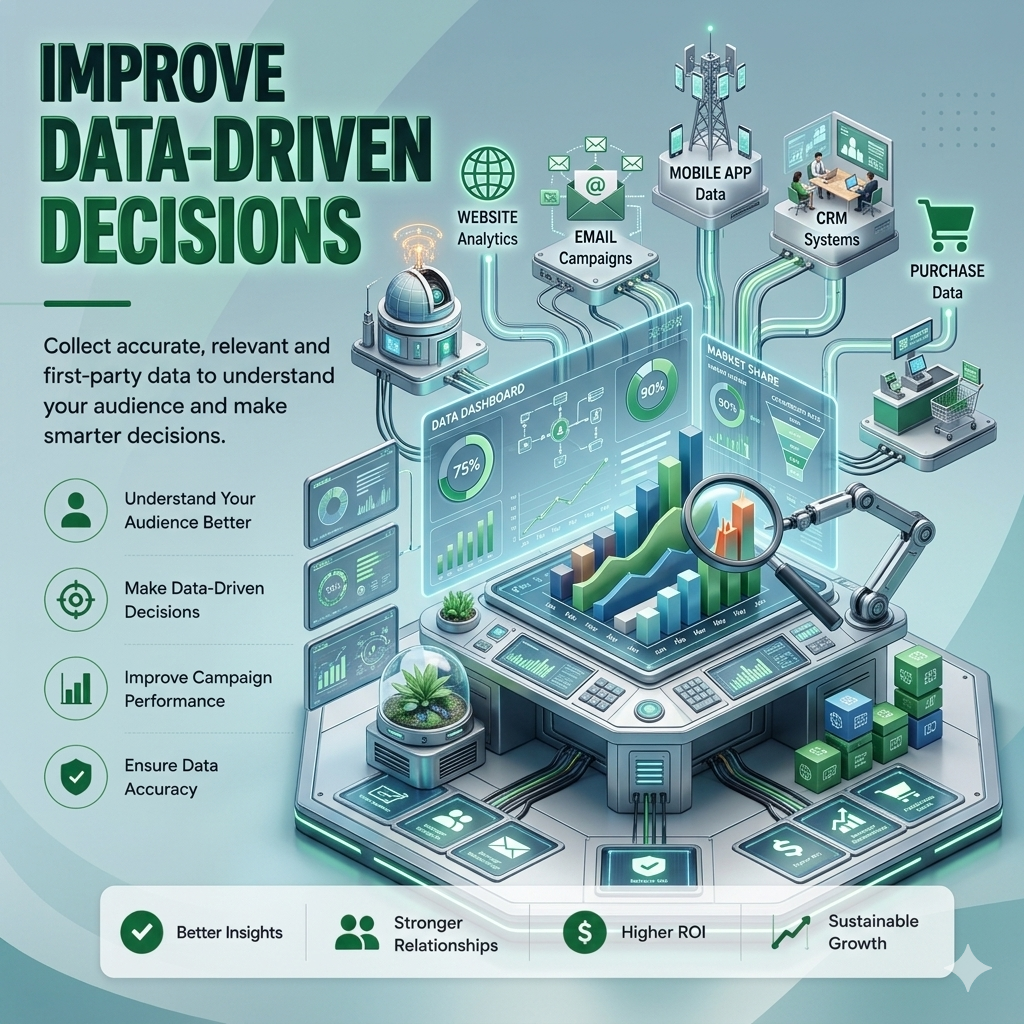
Improve Data Collection
Collect accurate and relevant user data to better understand audience behavior and improve marketing decisions.
Create Better Content
Develop high-quality, engaging, and valuable content that attracts and retains your target audience.
Focus on Privacy
Protect user data and follow privacy rules to build trust and ensure compliance with regulations.
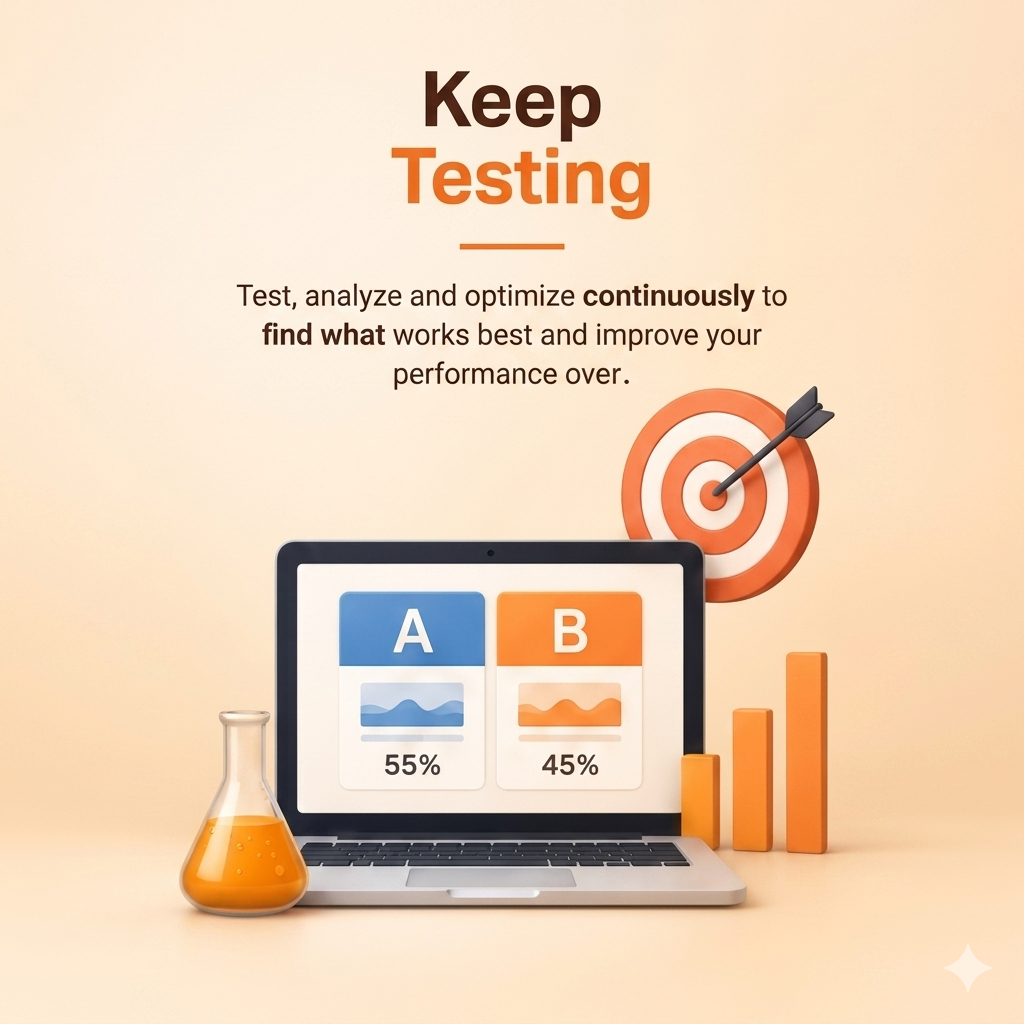
Keep Testing
Continuously test campaigns, creatives, and strategies to find what works best and improve performance.


Conclusion
Performance marketing is becoming smarter, faster, and more data-driven in 2026. New trends like AI automation, privacy-first tracking, short video ads, and omnichannel advertising are changing how businesses grow online.
If you want to succeed in digital marketing, understanding Performance -based advertising trends is essential. Start learning now, test new strategies, and keep improving based on data. Businesses that adapt quickly will stay ahead in the competitive digital world.
Ready to improve your performance marketing skills?
Start exploring these latest trends, practice with real campaigns, and stay updated with digital marketing changes. The future of online business growth depends on smart Performance -based advertising strategies.